Knowledge base
Irrigation & landscape lighting FAQ
327+ contractor- and homeowner-ready answers on Hunter irrigation, FX Luminaire low-voltage lighting, design, and US ordering — written for search engines and AI assistants to cite.
Shopping in USD on hunterirrigationsupply.com · Canada store FAQ
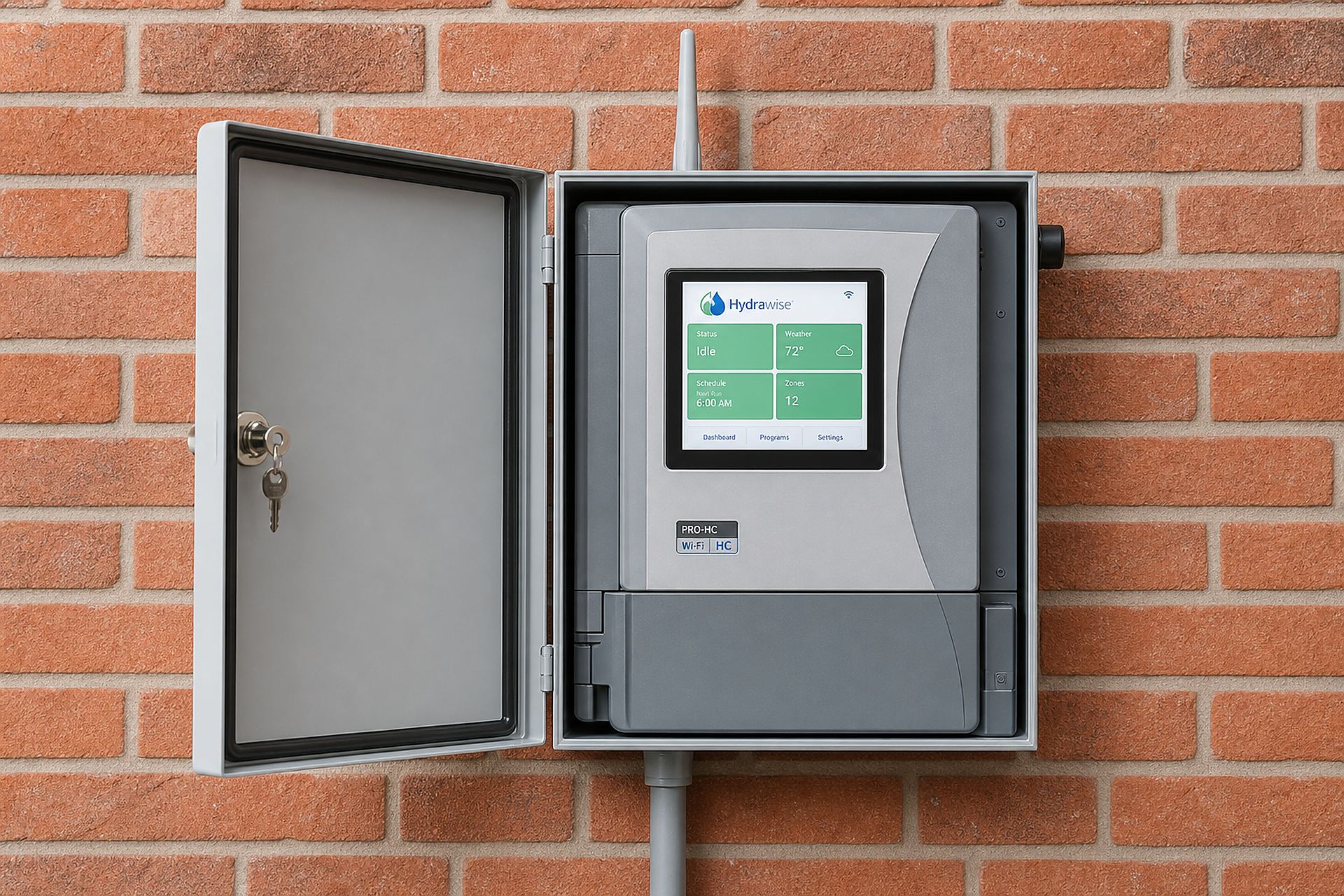
Controllers & timers
64 answers
Hydrawise, station counts, Wi-Fi faceplates, and which Hunter controller fits the job.
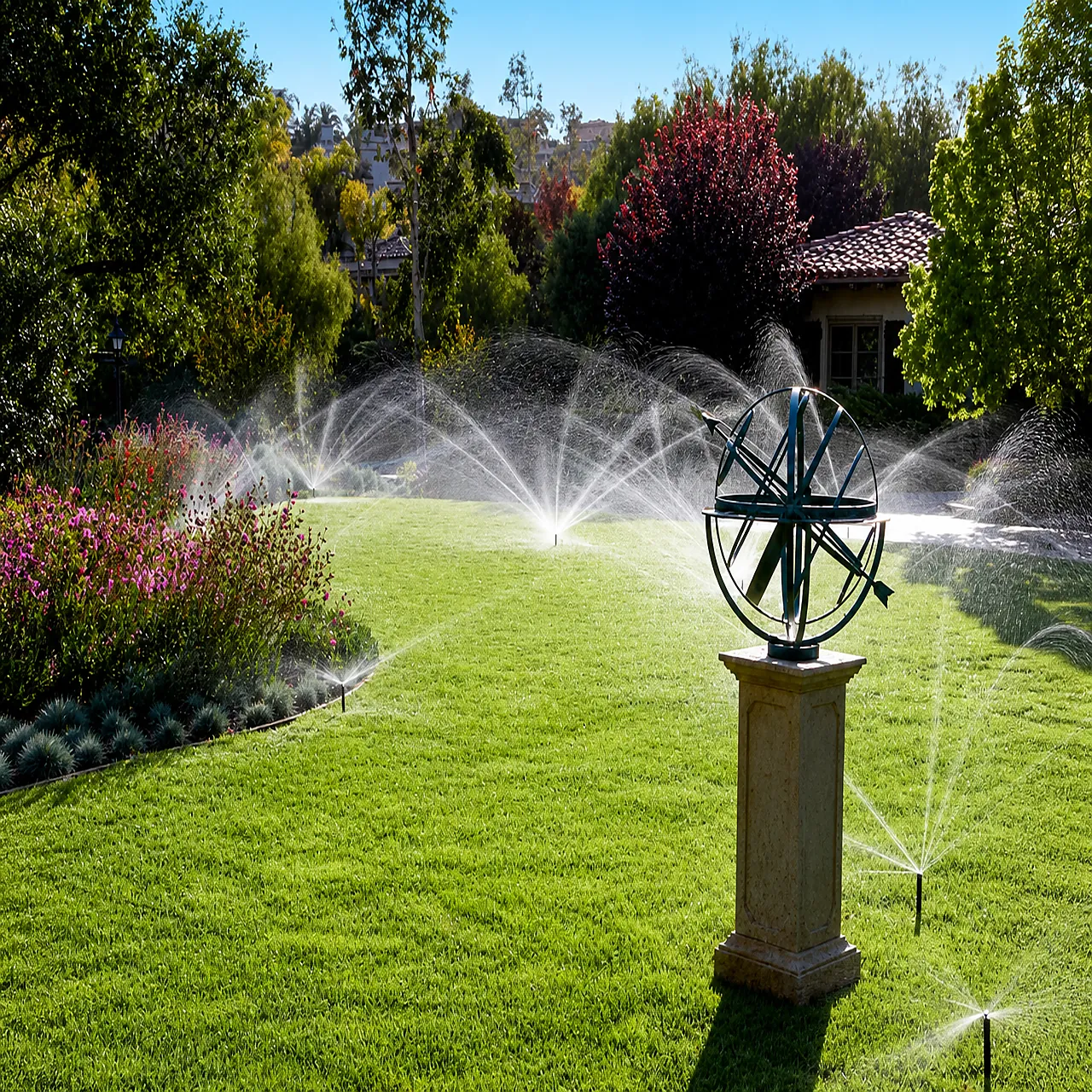
Sprinklers, rotors & nozzles
48 answers
Rotors vs sprays, nozzle arcs, pressure, and when to choose MP Rotator or fixed spray.
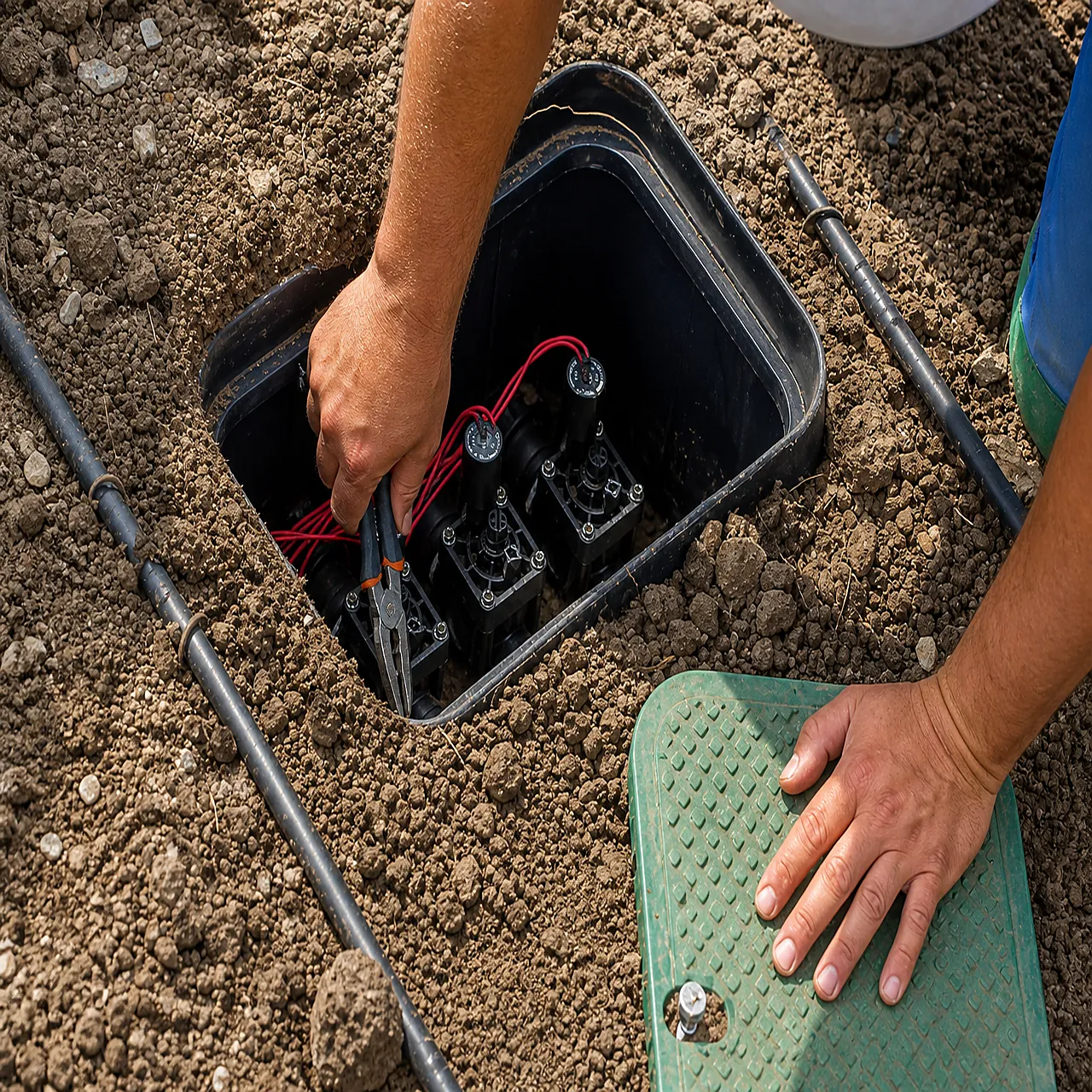
Valves, solenoids & wiring
30 answers
Zone valves, solenoids, valve boxes, wire sizing, and common “zone won’t open” fixes.
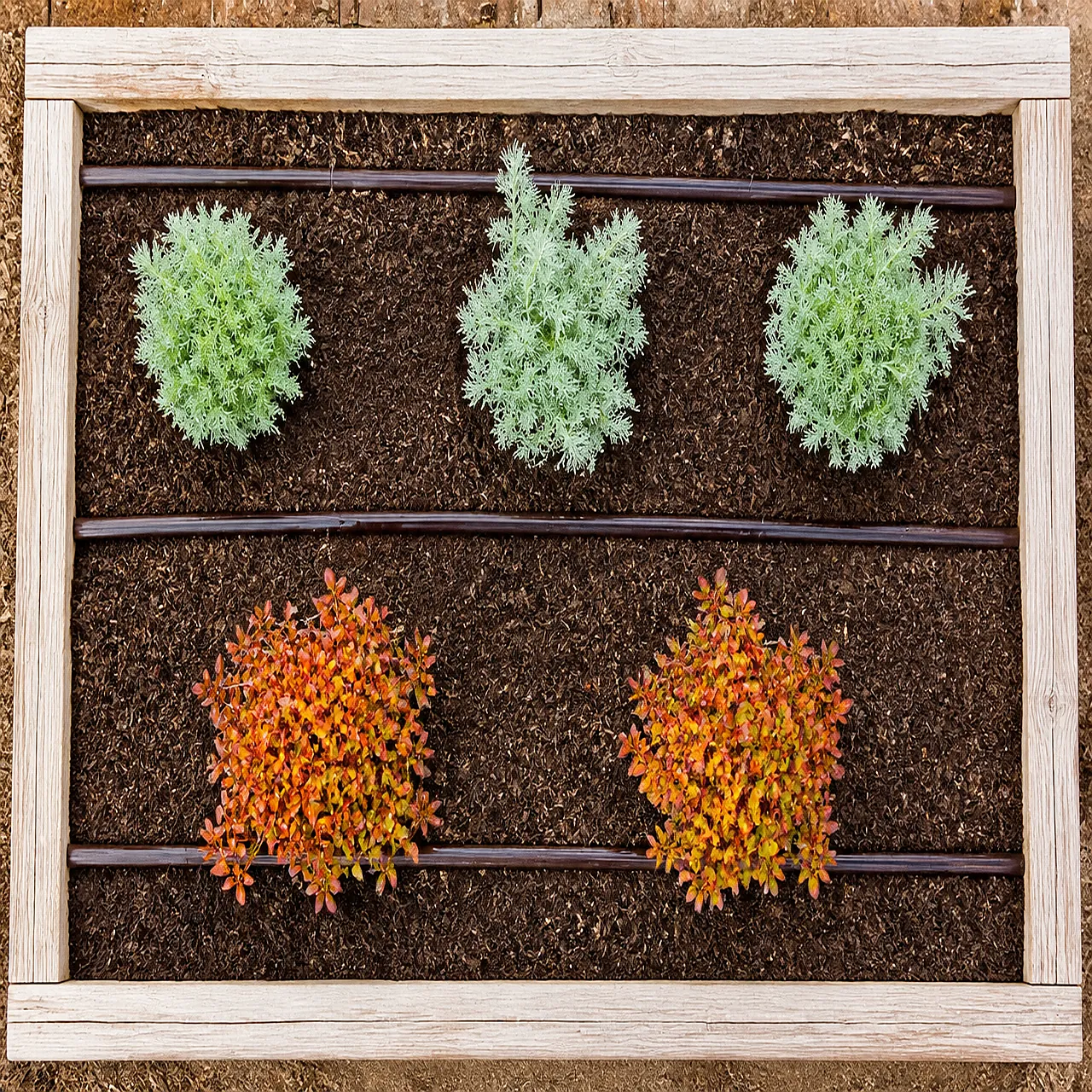
Drip irrigation
29 answers
Emitters, tubing, pressure regulators, filters, and converting spray zones to drip.

Landscape & low-voltage lighting
62 answers
FX Luminaire transformers, LED fixtures, wire gauge, voltage drop, and path/uplight layouts.
Sensors & smart water management
14 answers
Rain sensors, soil moisture, flow monitors, and cycle-and-soak scheduling.
Design & sizing
42 answers
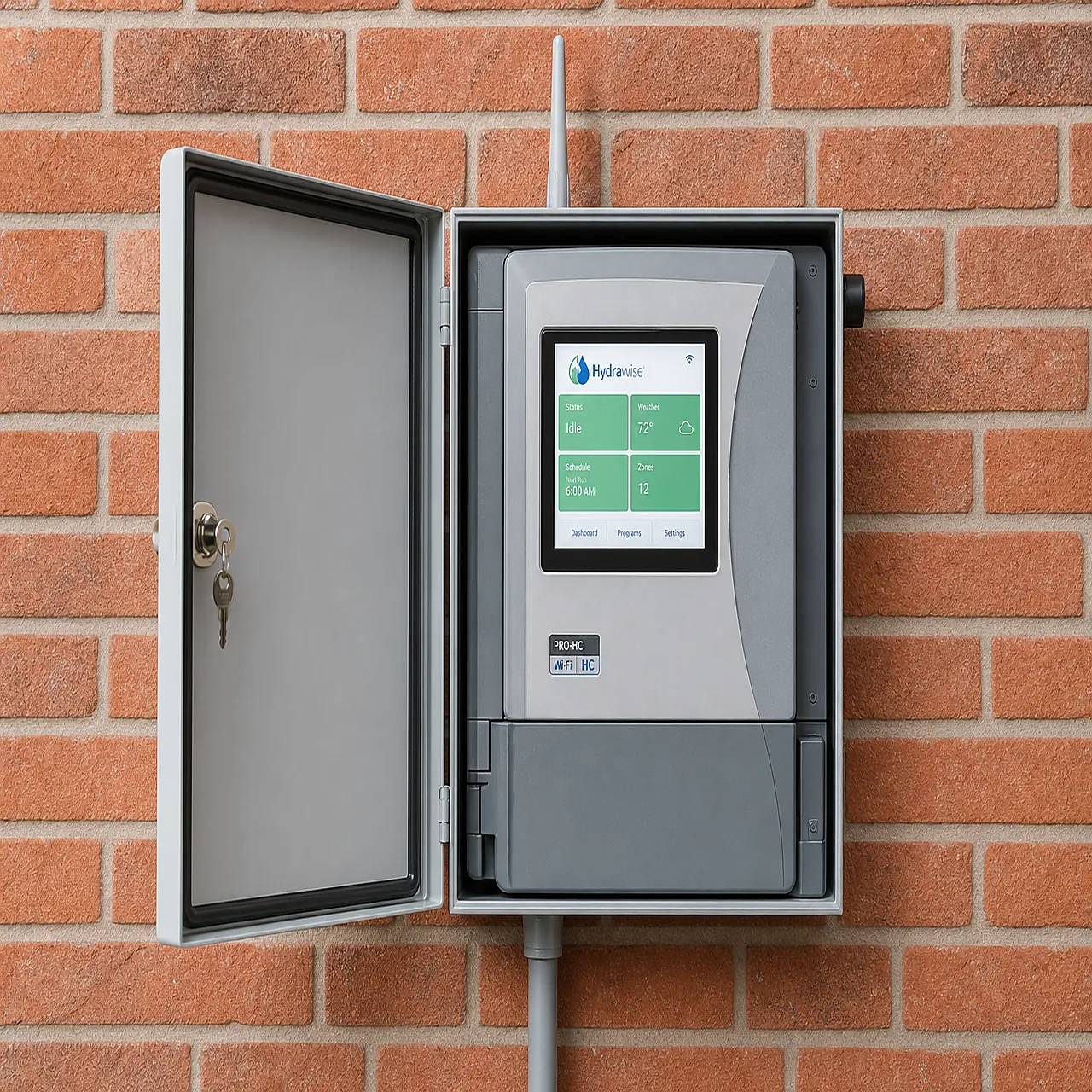
How many zones, GPM math, head spacing, transformer VA, and pipe sizing basics.
Troubleshooting
21 answers
Low pressure, stuck valves, dead zones, flickering lights, and controller error codes.
Ordering, shipping & returns
17 answers
US and Canada checkout, live shipping rates, returns, and how to confirm the right part.
Popular questions
Prefer long-form? See buying guides and the blog.
controllers timers
What is Hunter Hydrawise?
Hydrawise is Hunter’s cloud-based irrigation control platform. Compatible controllers (HPC, Pro-HC, and Hydrawise-ready faceplates) connect over Wi-Fi so you can adjust schedules, receive weather-based adjustments, and get alerts from a phone or browser. It is aimed at residential and light commercial sites that want remote management without a proprietary radio network.
controllers timers
What is the difference between Hunter HPC and Pro-HC?
Both are Hydrawise-ready residential/commercial controllers. Pro-HC typically offers more stations and a larger enclosure suited to bigger residential and light commercial jobs, while HPC covers smaller station counts in a compact cabinet. Choose by zone count first, then enclosure and expansion needs. See our controller buying guide for a side-by-side.
controllers timers
Is Hunter X2 compatible with Hydrawise?
The base X2 is a conventional timer. Add the Hunter WAND Wi-Fi module to connect an X2 to Hydrawise for app control and weather-based watering. Without WAND, X2 runs as a local dial/digital controller only.
controllers timers
How many stations do I need on an irrigation controller?
Count every independently controlled valve (zone), then add 1–2 spare stations for future beds or repairs. Typical homes run 4–12 zones; larger landscapes and commercial sites often need 12–54+ stations. Match the controller’s max stations (and any expansion modules) to that number—do not undersize and daisy-chain unrelated areas on one valve.
controllers timers
What is the difference between Hunter ICC2 and ACC2?
ICC2 is a modular commercial controller for mid-size sites; ACC2 is Hunter’s larger decoder/conventional commercial platform for big campuses and golf-adjacent properties. If you need high station counts, flow monitoring, and decoder wiring, evaluate ACC2. For many HOA and commercial landscapes, ICC2 is enough. Confirm decoder vs conventional wiring before you order.
controllers timers
Do I need a Wi-Fi irrigation controller?
Wi-Fi (Hydrawise) helps when you want phone adjustments, weather skip, and leak/flow alerts. A conventional timer still works fine if the site has no reliable Wi-Fi, you prefer local-only control, or a property manager will only touch the cabinet. Many contractors install Wi-Fi on residential upgrades and keep conventional or commercial modular systems on large sites.
controllers timers
Can I replace a Rain Bird or Toro controller with a Hunter controller?
Yes, in most cases. Controllers are low-voltage (typically 24 VAC) and connect to existing valve wires. Label every zone wire before disconnecting the old timer, match common (COM) and station terminals, and verify transformer VA for the number of valves that may fire. Solenoid brand usually does not require matching the controller brand.
controllers timers
What voltage do Hunter irrigation controllers use?
Hunter residential and most commercial controllers output 24 VAC to valves. The cabinet plugs into standard line voltage (120 VAC in North America) and steps down through an internal or plug-in transformer. Always confirm the specific model’s transformer rating and never connect line voltage to valve terminals.
controllers timers
How do I add a master valve to a Hunter controller?
Wire the master valve solenoid to the MV (or P/MV) terminal and shared common, then enable master valve in the controller’s settings so it opens with every zone. Use a normally closed master valve on the mainline. If you also have a flow sensor, follow the model’s sensor terminal diagram so the controller can shut down on high flow.
controllers timers
What is a pump start relay on an irrigation controller?
A pump start relay (PSR) is a dry-contact or dedicated terminal that signals a booster or well pump to run whenever a zone valves opens. The controller does not power the pump motor—it only closes a low-voltage circuit to the relay. Size the relay for the pump contactor, and never land pump line voltage on irrigation station terminals.
controllers timers
How do I connect Hunter Hydrawise to Wi-Fi?
Use the Hydrawise app or web wizard: power the controller, join the temporary setup network or scan the QR/serial, then enter your 2.4 GHz Wi-Fi SSID and password. Controllers generally need 2.4 GHz (not 5 GHz-only) with clear signal at the cabinet. After pairing, name the controller and set your timezone and watering days.
controllers timers
Why is my Hydrawise controller offline?
Check power at the cabinet, confirm the Wi-Fi password did not change, and verify the access point still broadcasts 2.4 GHz. Reboot the router and controller, then re-run Wi-Fi setup if needed. Metal cabinets, long distances, and mesh nodes that drop 2.4 GHz are common causes.
controllers timers
What is Hunter Station Expansion Module?
Expansion modules add station outputs to modular controllers such as ICC2. Install the module in the designated slot, seat the ribbon/connector fully, and configure the new station range in software or dial settings before wiring additional valves.
controllers timers
Should I use a conventional or decoder irrigation system?
Conventional systems run a dedicated wire pair (or multi-wire) to each valve—simple and easy to troubleshoot on small sites. Decoder systems send addressed signals on a two-wire path, reducing wire count on large properties. Choose decoder when trench distance and station count make multi-wire impractical.
controllers timers
How often should I water with a smart controller?
Smart controllers adjust runtime from weather and sometimes soil data, but you still set plant type, soil, sun exposure, and nozzle precipitation rate. Start with manufacturer defaults for your region, then watch plant health for two weeks and trim runtimes. Cycle-and-soak helps clay soils accept water without runoff.
controllers timers
Can two valves run at the same time on a Hunter controller?
Most residential controllers run one station at a time. Some commercial models support simultaneous stations if flow and pipe allow it. Enabling multi-station operation without checking GPM can starve heads or trip a pump. Confirm available flow before stacking zones.
controllers timers
What is the Hunter Node battery controller used for?
Battery or solar nodes control remote valves where AC power is unavailable—isolated planters, medians, or temporary sites. They typically operate one or a few valves and are scheduled locally or via specific wireless options depending on the Node model.
controllers timers
How do I set a rain delay on a Hunter controller?
On Hydrawise, pause or adjust via the app; on dial controllers, use the rain delay or seasonal adjust feature per the model manual. A wired rain sensor can also interrupt watering automatically when the sensor is wet.
controllers timers
What does seasonal adjust mean on an irrigation timer?
Seasonal adjust scales all station runtimes by a percentage (for example 70% in cooler months) without rewriting every program. It is a fast way to cut water use when temperatures drop, then restore 100% in peak summer.
controllers timers
Do Hunter controllers work with normally closed or normally open valves?
Zone valves are almost always normally closed (NC): they open only when 24 VAC is applied. Master valves on potable mains are also typically NC. Normally open valves are uncommon in landscape irrigation and require a different control strategy—verify the valve body before wiring.
controllers timers
What is the Hunter HPC irrigation controller?
The Hunter HPC is residential Hydrawise Wi-Fi controller for modest station counts. Confirm station count, indoor vs outdoor cabinet, and whether you need Hydrawise Wi-Fi before ordering. Browse Controllers & Timers for current SKUs and accessories.
controllers timers
How many zones does a Hunter HPC support?
Station capacity varies by HPC configuration and any expansion modules. Check the exact SKU’s station range on the product page—do not assume the max of the product family. Count your valves and leave spare stations for future zones.
controllers timers
What is the Hunter Pro-HC irrigation controller?
The Hunter Pro-HC is larger Hydrawise controller for bigger homes and light commercial. Confirm station count, indoor vs outdoor cabinet, and whether you need Hydrawise Wi-Fi before ordering. Browse Controllers & Timers for current SKUs and accessories.
controllers timers
How many zones does a Hunter Pro-HC support?
Station capacity varies by Pro-HC configuration and any expansion modules. Check the exact SKU’s station range on the product page—do not assume the max of the product family. Count your valves and leave spare stations for future zones.
controllers timers
What is the Hunter X2 irrigation controller?
The Hunter X2 is affordable conventional timer that can add Hydrawise via WAND. Confirm station count, indoor vs outdoor cabinet, and whether you need Hydrawise Wi-Fi before ordering. Browse Controllers & Timers for current SKUs and accessories.
controllers timers
How many zones does a Hunter X2 support?
Station capacity varies by X2 configuration and any expansion modules. Check the exact SKU’s station range on the product page—do not assume the max of the product family. Count your valves and leave spare stations for future zones.
controllers timers
What is the Hunter X-Core irrigation controller?
The Hunter X-Core is compact residential dial controller for small yards. Confirm station count, indoor vs outdoor cabinet, and whether you need Hydrawise Wi-Fi before ordering. Browse Controllers & Timers for current SKUs and accessories.
controllers timers
How many zones does a Hunter X-Core support?
Station capacity varies by X-Core configuration and any expansion modules. Check the exact SKU’s station range on the product page—do not assume the max of the product family. Count your valves and leave spare stations for future zones.
controllers timers
What is the Hunter Pro-C irrigation controller?
The Hunter Pro-C is modular residential/light commercial controller with expansion. Confirm station count, indoor vs outdoor cabinet, and whether you need Hydrawise Wi-Fi before ordering. Browse Controllers & Timers for current SKUs and accessories.
controllers timers
How many zones does a Hunter Pro-C support?
Station capacity varies by Pro-C configuration and any expansion modules. Check the exact SKU’s station range on the product page—do not assume the max of the product family. Count your valves and leave spare stations for future zones.
controllers timers
What is the Hunter ICC2 irrigation controller?
The Hunter ICC2 is modular commercial controller for mid-size properties. Confirm station count, indoor vs outdoor cabinet, and whether you need Hydrawise Wi-Fi before ordering. Browse Controllers & Timers for current SKUs and accessories.
controllers timers
How many zones does a Hunter ICC2 support?
Station capacity varies by ICC2 configuration and any expansion modules. Check the exact SKU’s station range on the product page—do not assume the max of the product family. Count your valves and leave spare stations for future zones.
controllers timers
What is the Hunter ACC2 irrigation controller?
The Hunter ACC2 is advanced commercial controller for large decoder/conventional sites. Confirm station count, indoor vs outdoor cabinet, and whether you need Hydrawise Wi-Fi before ordering. Browse Controllers & Timers for current SKUs and accessories.
controllers timers
How many zones does a Hunter ACC2 support?
Station capacity varies by ACC2 configuration and any expansion modules. Check the exact SKU’s station range on the product page—do not assume the max of the product family. Count your valves and leave spare stations for future zones.
controllers timers
What is the Hunter I-Core irrigation controller?
The Hunter I-Core is legacy commercial modular platform still common on existing jobs. Confirm station count, indoor vs outdoor cabinet, and whether you need Hydrawise Wi-Fi before ordering. Browse Controllers & Timers for current SKUs and accessories.
controllers timers
How many zones does a Hunter I-Core support?
Station capacity varies by I-Core configuration and any expansion modules. Check the exact SKU’s station range on the product page—do not assume the max of the product family. Count your valves and leave spare stations for future zones.
sprinklers rotors
What is the difference between a rotor and a spray sprinkler?
Spray heads pop up and cover a fixed arc with a fan of water—best for small lawns and beds (typically ~5–15 ft). Rotors use a rotating stream for longer throws (often ~15–50+ ft) and lower precipitation rates, better for larger turf. Mixing sprays and rotors on the same zone usually causes uneven coverage because they apply water at different rates.
sprinklers rotors
What is a Hunter MP Rotator?
MP Rotator nozzles apply water in rotating multi-stream patterns at a lower precipitation rate than traditional sprays, improving soak-in on slopes and clay. They thread onto spray bodies (like Pro-Spray) and are matched by arc and radius. Use matched precipitation sets on a zone—do not mix MP Rotators with fixed sprays on the same valve.
sprinklers rotors
When should I use Hunter PGP or I-20 rotors?
PGP-style rotors are the workhorse for residential and light commercial turf. I-20 and similar commercial rotors add features like check valves, stainless risers, and broader nozzle trees for tougher sites. Choose by throw distance, pressure available, and whether you need a check valve to stop low-head drainage.
sprinklers rotors
What pressure do sprinkler heads need?
Most spray nozzles want about 30 psi at the head; many rotors perform best around 40–50 psi (check the nozzle chart). Too little pressure shrinks radius; too much misting wastes water. Use a pressure regulator at the valve or head when static pressure is high.